
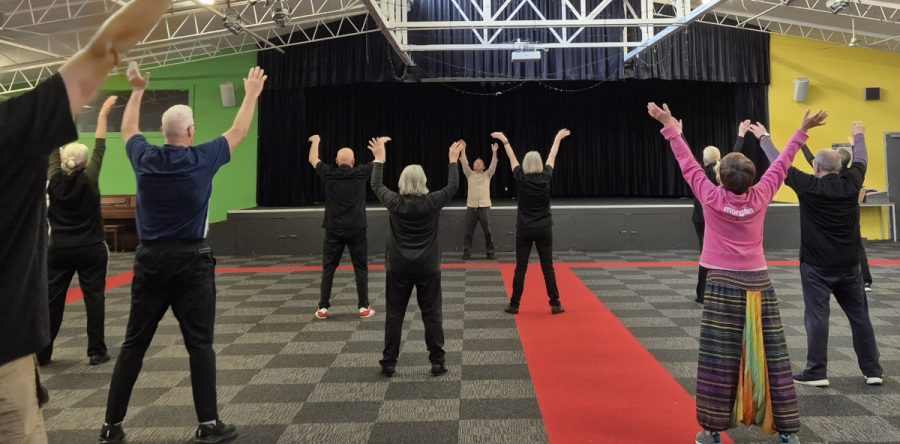
with Grand Master Eng Chor Khor
The philosophy workshop presented by Grand Master Eng Chor Khor on 30th May 2026 provided an insightful overview into the historical origins, development, and underlying philosophy of Tai Chi, Qigong, and the broader Chinese martial arts tradition. Drawing upon a lifetime of study and practice, beginning in early childhood and continuing through to the present day, GM Eng Chor shared knowledge gained through his extensive involvement in martial arts, Tai Chi, Qigong, philosophy, teaching, and cultural studies. His casual and flexible presentation style encouraged participants to look beyond the physical practice of the arts and develop a deeper appreciation of their historical, cultural, and philosophical foundations.
The session began with a discussion of the early history of the College and the importance of understanding where our practices originated. GM Eng Chor explained how periods of conflict during the various Chinese dynasties contributed to the development of military strategies, defensive systems, and martial disciplines. The construction of city walls, military organisation, and strategic thinking were all important aspects of survival during these times. Reference was made to classical military texts such as The Art of War, highlighting the close relationship between military strategy and the evolution of martial traditions throughout Chinese history.
From this historical background emerged many of the practices that would eventually influence the development of the martial arts, Tai Chi, and various forms of Qigong. The workshop explored the concepts of internal and external training and how these ideas evolved and were expressed differently throughout the centuries.
A significant portion of the presentation focused on Qigong. GM Eng Chor described Qigong as being founded upon the harmonious integration of breath, mind, and movement. He explained that Qigong may be practiced in both static and moving forms and emphasised its role in cultivating health, vitality, mental focus, and internal development. Various traditional systems of Qigong were discussed, including Yi Jin Jing and Ba Duan Jin, together with the broader role that Qigong has played within Chinese culture, medicine, and martial training.
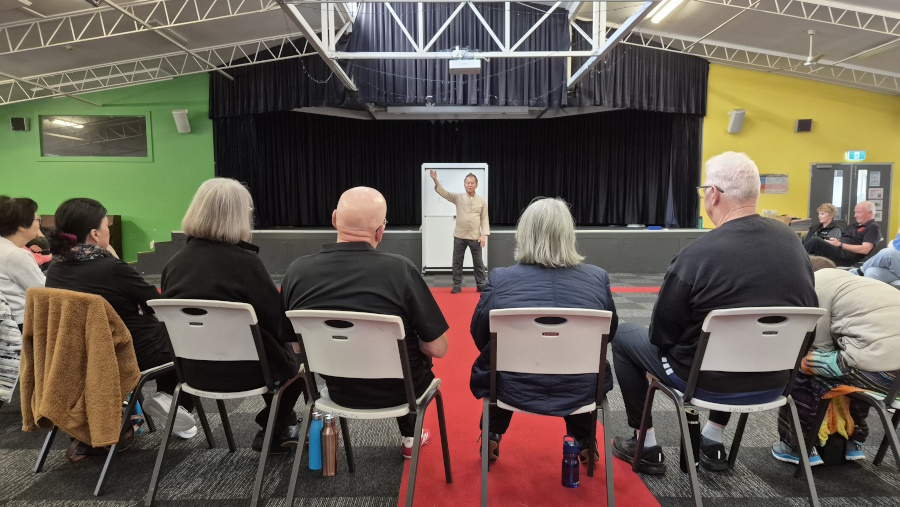
The workshop also examined the major styles of Tai Chi. Discussion included the characteristics of Yang Style, known for its larger, softer, and more flowing movements, and Chen Style, often recognised as the oldest of the major family styles and characterised by more explosive expressions of power. Other major styles, including Sun and Wu, were also mentioned as important branches within the Tai Chi family, each possessing its own distinctive characteristics and training methods.
One of the recurring themes throughout the workshop was the importance of broadening our knowledge beyond movement practice alone. GM Eng Chor encouraged participants to develop an understanding of the historical periods, dynasties, influential figures, philosophies, and cultural developments that shaped the evolution of the arts. Such knowledge enriches practice and provides a greater appreciation of the traditions that have been handed down through generations.
The session also included exciting news regarding a proposed cultural study tour being organised by GM Eng Chor for 2027. The trip promises to provide participants with a unique opportunity to further explore the historical and cultural origins of these arts through direct experience and immersion.
Overall, the workshop served as a valuable reminder that Tai Chi and Qigong are much more than systems of movement. They are living traditions shaped by centuries of Chinese history, philosophy, culture, health practices, martial development, and human experience. Through his presentation, GM Eng Chor encouraged us to look beyond the forms themselves and develop a broader understanding of the rich heritage from which these disciplines emerged.
Rob Harris, Trainee Instructor
Mornington, Rosebud, Chelsea Heights, Armadale
Updated: 8 June 2026

